FACT
FICTION
!
?
or
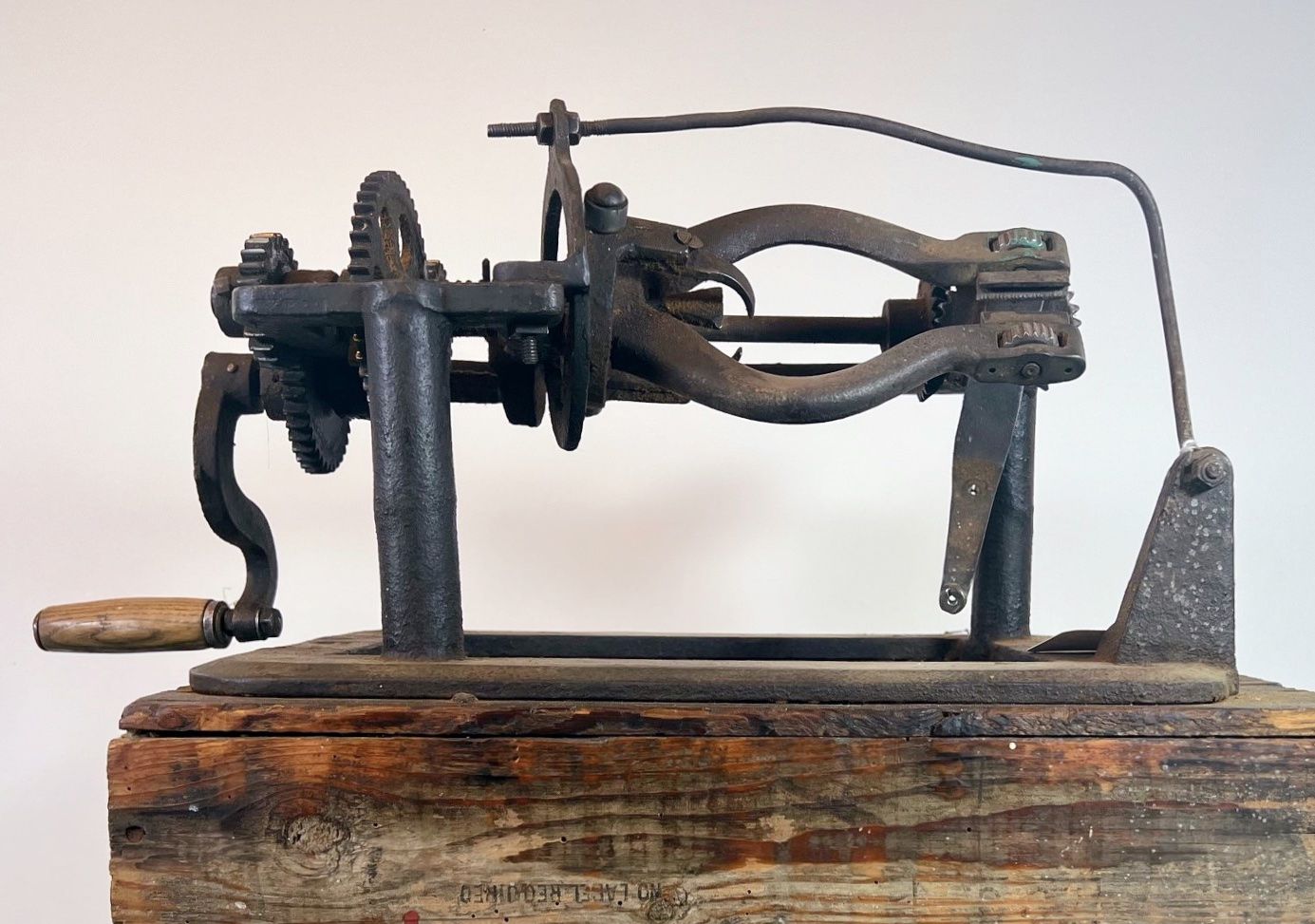
This is an urchin splitter, used in canneries to crack open giant spiny sea urchins.
This is a rope-making machine. Its crank twisted fibers into rope for ship rigging.
This is a cannery can sealer. Its crank pressed lids tightly onto tins of salmon.
This is a net needle winder. It feeds out line like a weaving shuttle, so nets can be made faster.
This is a net needle winder. It made net-making faster by holding and releasing the line.
This is a net needle winder. It feeds out line like a weaving shuttle, so nets can be made faster.
The oldest known fishing net, the Antrea Net, was found near today’s border between Finland and Russia. It dates to around 8300 B.C.
FACT
FICTION
!
?
or
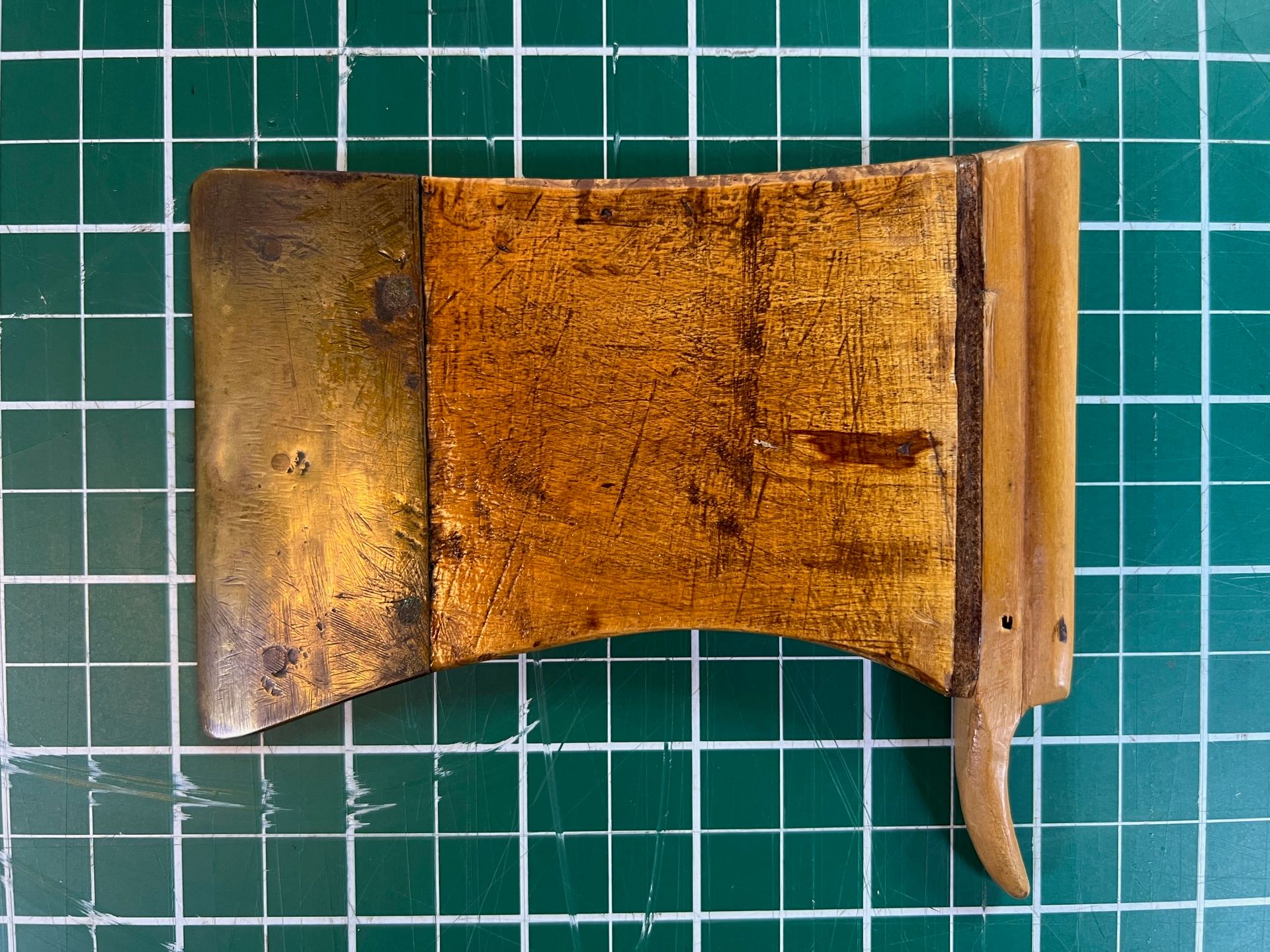
Nicknamed a “Boston Slicer,” this tool scraped limpets off Columbia River fishing boats.
This is a sailmaker’s seam rubber, used to flatten and crease the seams of canvas sails.
This is a fish scaler. Fishermen scraped it along a fish to strip off the scales.
This is a net gauge. It keeps every mesh the same size, so nets catch the right-sized fish.
This is a net gauge. Net makers used it to keep every opening in the mesh an even size.
This is a net gauge. It keeps every mesh the same size, so nets catch the right-sized fish.
Cultures all around the world have made handcrafted nets using remarkably similar tools.
FACT
FICTION
!
?
or
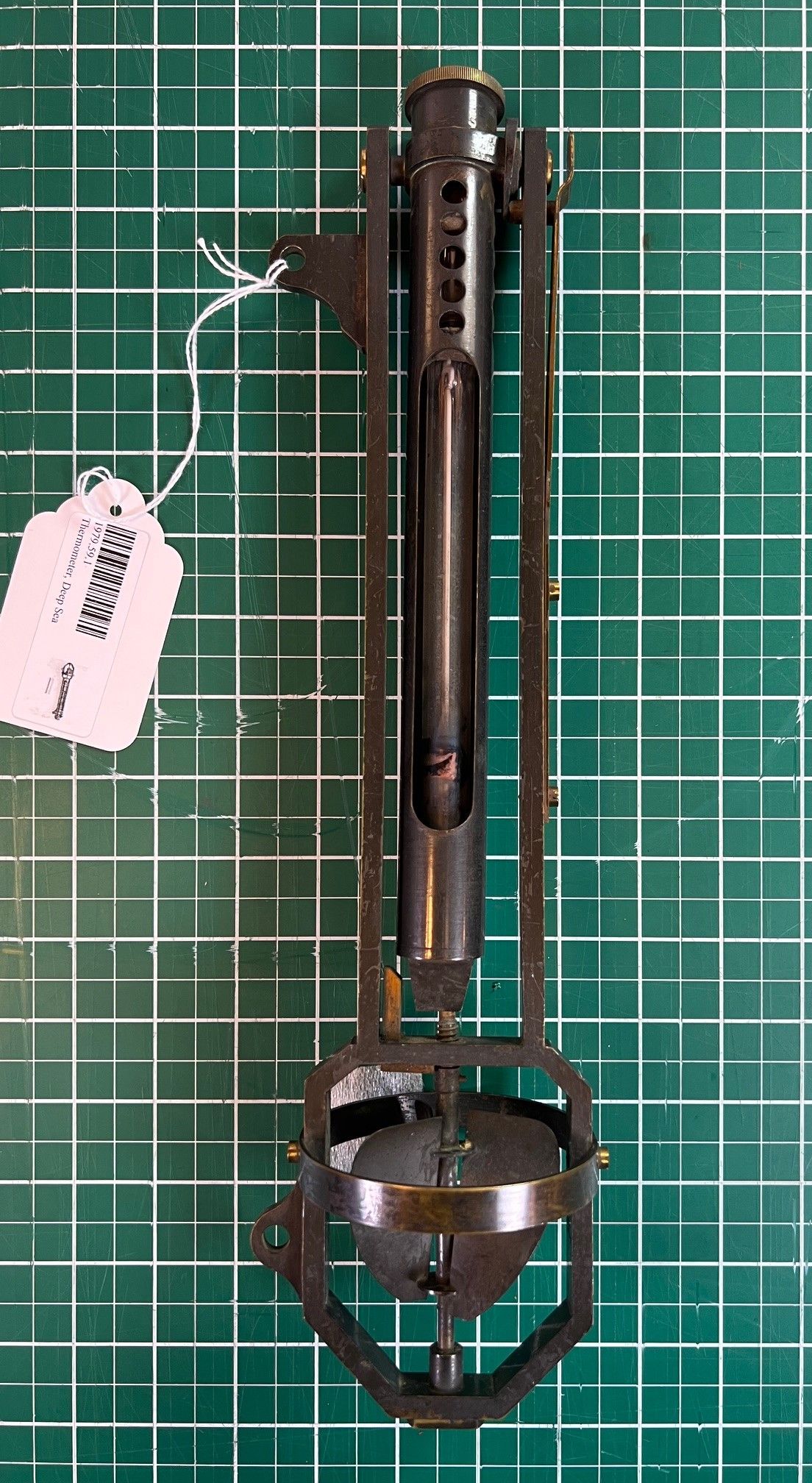
This is a salinometer. Sailors used it to measure how much salt was in seawater.
This is a ship’s barometer. Sailors read it to tell when a storm was on its way.
This is a depth sounder. Sailors lowered it to find out how deep the water was.
This is a deep sea thermometer. In the 1890s, it recorded ocean temperatures at set depths.
Sailors lowered this 1890s thermometer into the sea to read the temperature deep down.
This is a deep sea thermometer. In the 1890s, it recorded ocean temperatures at set depths.
Older thermometers couldn’t show how deep the coldest water was. This kind flipped over at a set depth, locking in the temperature right there.
FACT
FICTION
!
?
or
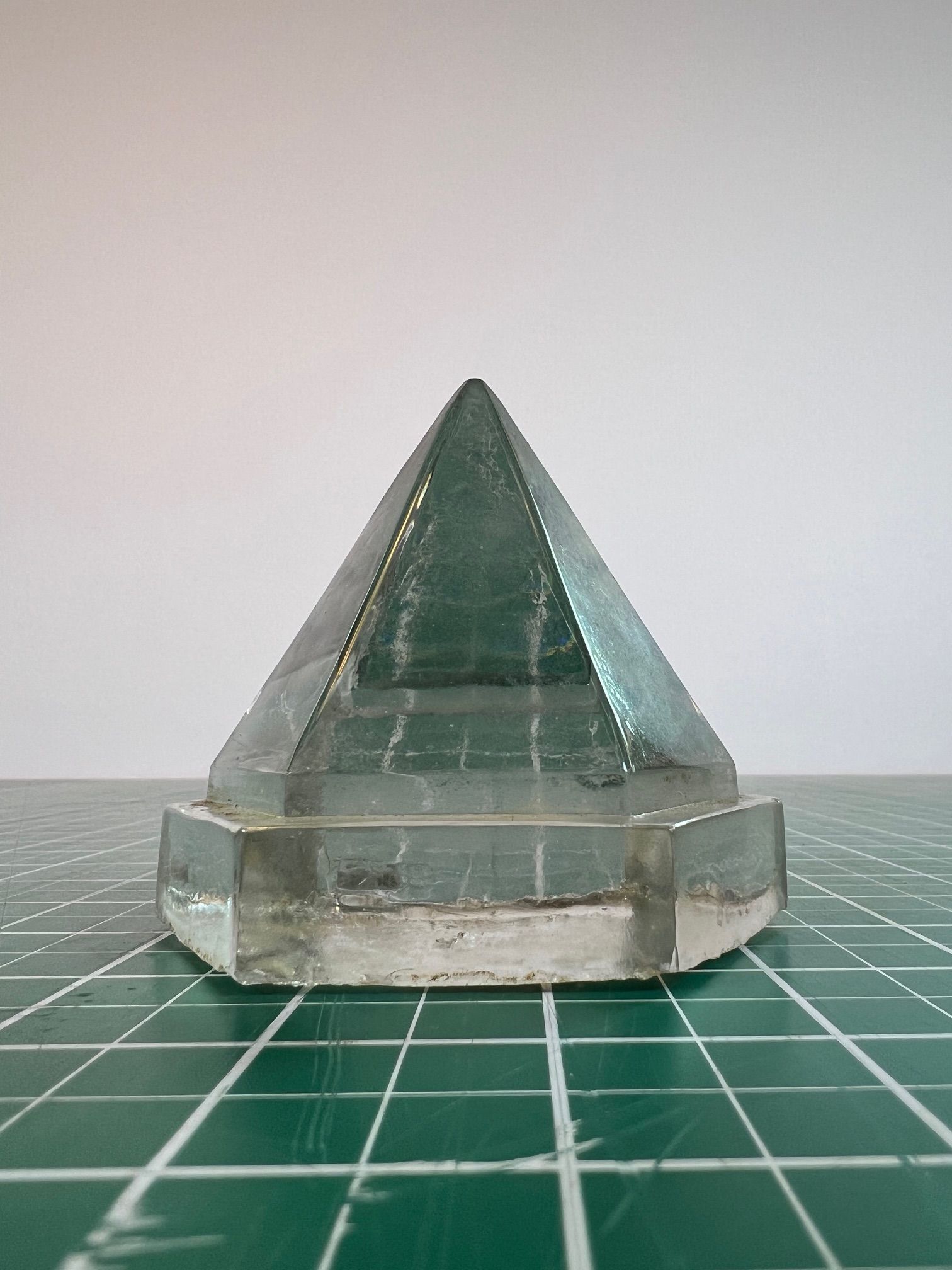
This is an 18th-century model of Antarctica, used for navigation by early polar explorers.
This is a lighthouse lens. Its glass bent the lamp’s light into a beam sailors could see for miles.
This is a mold for casting the glass floats that held fishing nets up at the surface.
This is a deck prism. Set into a ship’s deck, it lit the dark rooms below without a flame.
This deck prism let daylight into a ship’s lower decks, with no risk of starting a fire.
This is a deck prism. Set into a ship’s deck, it lit the dark rooms below without a flame.
No one knows who invented the deck prism. The earliest record is an 1818 patent for a “deck glass rim and safety grate,” so earlier versions likely existed.
FACT
FICTION
!
?
or
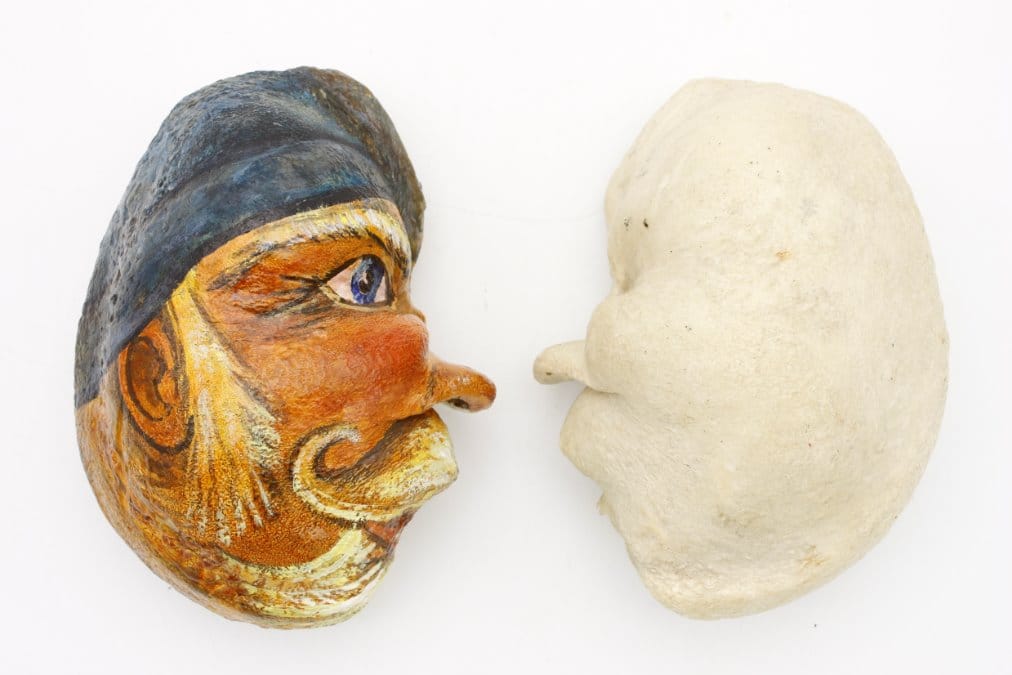
This is a fossilized seashell. Sailors painted shells like this as good-luck charms.
This is a coconut shell, painted by a sailor as a gift for someone back home.
This is a whale’s tooth. Sailors decorated teeth like this in a craft called scrimshaw.
This is a whale’s inner ear bone, painted by a sailor in the 1800s to pass the time at sea.
A sailor painted this whale’s ear bone in the 1800s to pass the long hours at sea.
This is a whale’s inner ear bone, painted by a sailor in the 1800s to pass the time at sea.
Humans and whales both have ear bones. But whales have no ear canals. They hear mostly through vibrations in their skulls.